
Avoiding Common Interview Traps
Fostering Discovery Over Judgment
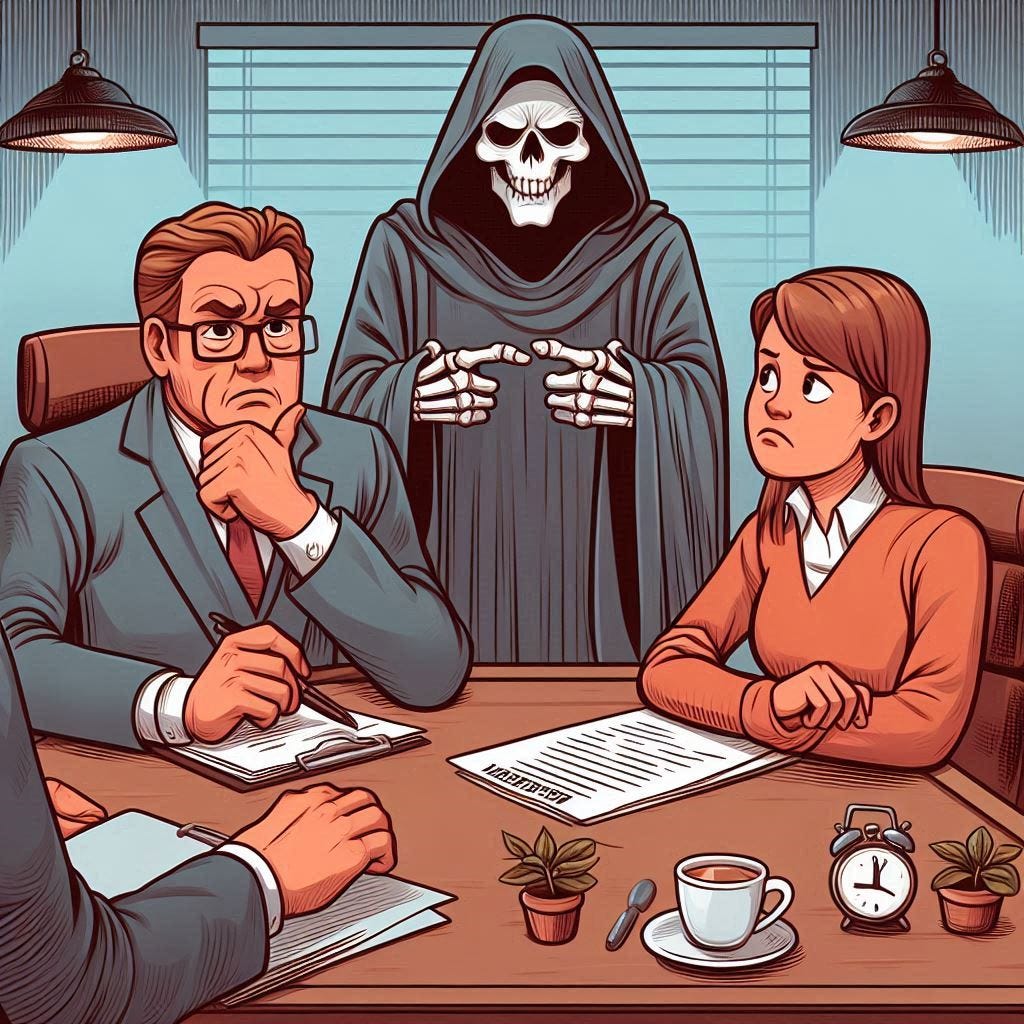
Having interviewed thousands of candidates over the years, I can confidently say it's one of the most interesting and rewarding parts of my job. Each interview presents an opportunity to discover talent and potential. But I’ve also caught myself making some of the same mistakes I’ve observed in others. In the rush to assess, it’s easy to fall into certain traps—ones that prevent us from truly understanding candidates and finding the right fit.
1. Judging Instead of Discovering
The Trap: Snap judgments based on first impressions can color how we perceive the rest of the interview, preventing us from giving candidates a fair chance.
How to Avoid It:
Stay Curious: Shift the mindset from evaluating to exploring. Approach each conversation with the intent to uncover the candidate’s potential.
Hold Off on Conclusions: Resist the urge to form opinions too early. Allow the entire interview process to reveal the full picture.
2. Comparing Candidates to Ourselves
The Trap: It’s human nature to favor people who remind us of ourselves. But this bias can lead to homogeneity and lost opportunities for fresh ideas.
How to Avoid It:
Acknowledge Biases: Recognize your own tendencies and actively work to set them aside.
Focus on Job Fit: Evaluate the candidate based on their ability to meet the role’s needs rather than personal affinities.
3. Listening to Catch Mistakes Instead of Understanding
The Trap: Sometimes we listen to catch slip-ups, trying to identify areas of weakness. This makes the conversation more adversarial than it needs to be.
How to Avoid It:
Listen Actively: Aim to understand the candidate’s perspective rather than finding fault. Give them space to share their thoughts fully.
Ask Follow-Up Questions: If something seems off, ask for clarification rather than assuming the worst.
4. Focusing on Right and Wrong Instead of Suitability
The Trap: In focusing on whether a candidate answers questions "correctly," we risk overlooking the traits that matter most—such as how they think and problem-solve.
How to Avoid It:
Evaluate Problem-Solving: Instead of right or wrong answers, focus on how candidates approach challenges.
Look for Fit and Potential: Assess whether they align with your company’s values and have the potential to grow in the role.
Conclusion
It’s easy to fall into these traps, especially with the pressures of making the right hire. But by approaching interviews as opportunities to discover rather than judge, and focusing on fit rather than correctness, we can make better decisions. Doing so ensures we hire not just based on answers but on potential and suitability for the team and company.